
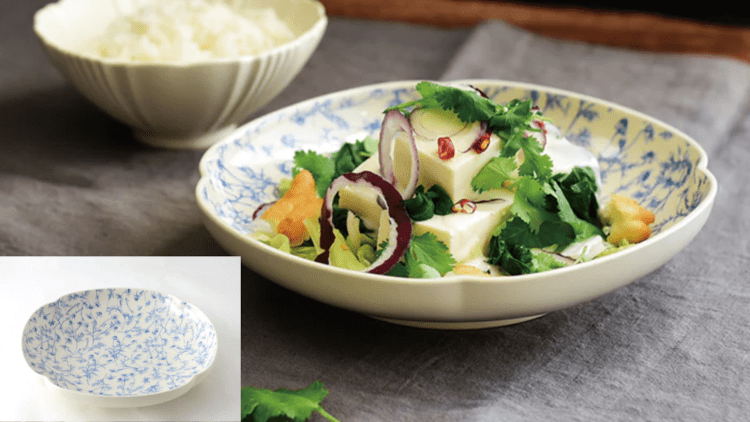
In the realm of traditional Japanese craftsmanship, the art of hand-painted plates stands as a testament to the country’s rich cultural heritage. From hand-painted Japanese plates to intricate Japanese small plates, the meticulous craftsmanship and artistic expression involved in creating these pieces elevate them beyond mere tableware. This exploration delves into the cultural significance of hand-painted Japanese plates, unveiling the stories woven into each stroke and the profound impact they have on both culinary experiences and the appreciation of Japanese art.
Hand-Painted Japanese Plates: A Canvas of Culture
Japanese hand-painted plates are not just utilitarian objects; they are expressions of cultural identity and artistic sensibility. The art of plate painting in Japan dates back centuries, with each design telling a unique story rooted in tradition, nature, and symbolism. From delicate cherry blossoms to bold geometric patterns, these plates encapsulate the essence of Japanese aesthetics.
Craftsmen and artists take great pride in the creation of hand-painted Japanese plates, often following techniques passed down through generations. The act of painting becomes a meditative process, and the end result is a harmonious blend of form and function, making each plate a work of art in its own right.
Japanese Small Plates: A Culinary Tapestry
In the realm of Japanese dining, small plates, or “sakazuki,” play a crucial role in presenting an array of flavors in a single meal. Hand-painted Japanese small plates are an integral part of this culinary tapestry, adding visual appeal to the gastronomic experience. These plates, often adorned with intricate designs, contribute to the overall aesthetic of the dining setting.
The cultural significance of Japanese small plates lies in the concept of “ichiju-sansai,” a traditional Japanese meal consisting of one soup dish and three side dishes served with rice. Each small plate is carefully chosen or crafted to complement the specific dish it holds, creating a visually pleasing and harmonious presentation. The artistry of hand-painted designs further enhances the dining experience, turning every meal into a celebration of both taste and aesthetics.
Japanese Dinner Plates: Tradition Meets Modernity
Moving beyond small plates, Japanese dinner plates showcase a fusion of tradition and modernity. These larger canvases allow for more expansive and intricate designs, often drawing inspiration from nature, folklore, or historical motifs. Hand-painted Japanese dinner plates become the focal point of the dining table, carrying with them a sense of cultural pride and connection.
Whether adorned with scenes of serene landscapes or featuring stylized renditions of traditional patterns, these plates reflect the cultural heritage of Japan. They serve as a bridge between the past and the present, embodying the timeless beauty of Japanese artistry while adapting to contemporary tastes and lifestyles.
Japanese Plate Set: A Complete Culinary Experience
The concept of a Japanese plate set goes beyond individual pieces, emphasizing the harmony and balance achieved when different plates come together. A thoughtfully curated set often includes a variety of sizes and designs, catering to the diverse array of dishes in a traditional Japanese meal. The cultural significance lies not only in the individual plates but in the cohesion of the set as a whole.
A well-designed Japanese plate set tells a story of intentionality, where each plate has a specific purpose and place in the dining experience. The set becomes a canvas for culinary exploration, inviting individuals to appreciate not only the flavors of the food but also the visual symphony created by the hand-painted designs.
Bottom Line:
In the intricate brushstrokes of hand-painted Japanese plates, we find a cultural narrative that transcends the boundaries of time and space. From the delicate beauty of Japanese small plates to the grandeur of dinner plates and the harmonious completeness of a plate set, these objects carry the weight of tradition, craftsmanship, and artistic expression.
As we set our tables with these cultural treasures, we engage in a dialogue with the past, present, and future of Japan. Each meal becomes a celebration of not only the flavors on our plates but also the stories embedded in the porcelain canvases beneath them. Hand-painted Japanese plates are more than just vessels for food; they are gateways to a cultural journey, inviting us to savor not just the culinary delights but the rich tapestry of Japan’s artistic and historical legacy.
 Heera
Heera  Kathie